

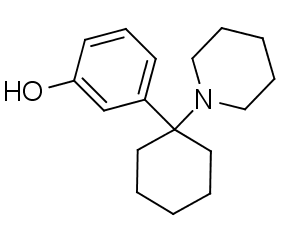
3-HO-PCP is a dissociative drug derived from the well-known dissociative drug PCP. It’s known for its potent effects on the mind and body. Recently, 3-HO-PCP has boomed in popularity among drug users, and there has been a growing interest in its effects, dosages, user experiences, and side effects.
We’ll cover 3-HO-PCP’s history, dosages, user experiences, and side effects. We’ll also present information on the drug’s origins, how it’s used, and its effects on the mind and body. We will also examine the potential risks and side effects associated with using 3-HO-PCP, as well as tips for safer use. Whether you’re a seasoned user or simply curious about this emerging drug, this article will provide you with valuable insights and information about 3-HO-PCP.
General Information on 3-HO-PCP
As introduced, this drug is derived from PCP (phencyclidine). PCP was originally developed as a general anesthetic but was later discontinued due to its hallucinogenic properties, among other unwanted effects. The 3-HO research chemical is sold as a white crystalline powder that can be dissolved in water or other solvents.
It can be taken a few different ways, which we’ll cover below, and its effects can last for several hours. It’s often sold online as a research chemical or recreational drug, and it’s not regulated in most countries.
Because 3-HO-PCP is relatively new, there’s limited research chemical review information available. However, it’s known to act as a potent NMDA receptor antagonist. That means it can block the activity of glutamate, a neurotransmitter involved in learning and memory. This can lead to various dissociative effects, which we’ll cover below. Additionally, 3-HO-PCP may have anesthetic properties, causing a loss of sensation and a feeling of detachment from the body.
History of 3-HO-PCP
Next, in our 3-HO-PCP review, we’ll cover the fascinating history of this drug. 3-HO-PCP was first synthesized in 1978 by the pharmaceutical company Parke-Davis as part of a series of compounds derived from phencyclidine (PCP). In the years following its creation, 3-HO-PCP wasn’t widely studied or used. However, in the early 2010s, it started gaining popularity among drug users and researchers alike. After sales on the internet took off, it quickly became known for its potent dissociative effects.
In 2012, a drug oversight council in the UK advised that the drug should be labeled as “Class B,” essentially removing it from the category of legal drugs. The concern stems from the potential harms of this drug, similar to the dangers of other Class B drugs.
Dosage and Administration
3-HO-PCP is a potent drug, so it’s crucial to use it cautiously and moderately is crucial. The dosage will vary depending on the user’s experience with the drug, body weight, and other factors. However, it’s best to start with a low dose and gradually increase the dosage as needed. A typical dosage range for 3-HO-PCP is 5-20mg, but some users have reported taking up to 50mg or more.
The drug can be taken orally, intranasally, or intravenously. The dosage and administration route can affect how potent and long-lasting the drug’s effects are.
Oral Administration
When taking 3-HO-PCP orally, the drug can be dissolved in water or other solvents and swallowed. It may also be put in capsules or taken in pill form. Metabolism and stomach contents can affect the way and rate at which the body absorbs 3-HO-PCP when taken orally.
Intranasal Administration
When taking 3-HO-PCP intranasally, the drug is usually snorted or sniffed through the nose, and the onset of effects is faster, typically taking 5-30 minutes. This method may also increase the user’s desire or impulse to suddenly take another dose because of how rapidly the drug enters and leaves the bloodstream (like smoking this drug).
Intravenous Administration
Intravenous use of 3-HO-PCP is less common but may be more potent, and it can cause a very rapid onset of effects. That’s because it immediately enters the bloodstream and moves to the brain. The effects are likely to be stronger. Importantly, this method isn’t recommended due to the high-risk profile.
User 3-HO-PCP Reviews
Some users have reported their experiences with 3-HO-PCP online. Although this drug may not be in the legal highs category, these reports can show us the potential effects and risks of the drug.
According to user reports, 3-HO-PCP can produce a range of dissociative effects. Those include altered perception, time distortion, and a loss of sense of self. Some users reported feeling disconnected from their bodies and experiencing vivid hallucinations and visual contortions. Others report feeling euphoria and a sense of peace.
However, users also report that 3-HO-PCP can be unpredictable and dangerous. Some users have reported experiencing paranoia, anxiety, and psychosis. Others have reported long-term cognitive and psychological problems after using the drug. Overdose and addiction are also potential risks associated with 3-HO-PCP use.
Onset of Effects
The onset of effects changes based on the administration route and dosage. When taken orally, the effects of 3-HO-PCP take longer to onset, which could be anywhere from 30 minutes to 2 hours. Intranasal administration produces a more rapid onset of effects, with users feeling the effects within 5-30 minutes of administration.
In a similar sense, the duration may vary. In general, the effects of 3-HO-PCP last several hours, with the peak effects lasting around 2-4 hours. After the peak effects wear off, users may experience residual effects for several more hours. Those lingering effects may include altered perception, time distortion, and a loss of sense of self.
Potential Side Effects of 3-HO-PCP
Here are some potential side effects of 3-HO-PCP:
- Altered perception
- Distorted sense of reality
- Hallucinations and delusions
- Loss of sense of self and dissociation
- Anxiety, paranoia, and agitation
- Impaired judgment
- Physical impairment, loss of coordination
- Elevated heart rate and blood pressure
- Difficulty breathing
- Nausea and vomiting
- Memory impairment, cognitive dysfunction
- Psychosis and long-term psychological problems
Importantly, the side effects of 3-HO-PCP are unpredictable and potentially dangerous. Long-term use of the drug can cause significant physical and psychological harm. Users should always approach drug use cautiously and seek medical help immediately if experiencing any negative effects or an overdose.
The information provided in Express Highs Blog is intended for educational, informational, and harm-reduction purposes only. The content published on this page does not encourage, promote, or condone the use, purchase, sale, or distribution of any controlled or psychoactive substances.
Many compounds discussed on this website may be regulated or prohibited in certain countries or jurisdictions. Laws and regulations change frequently, and it is the responsibility of each reader to understand and comply with the local laws applicable in their location before engaging with any substance mentioned.
Articles published in this category may reference scientific research, anecdotal experiences, historical context, or emerging trends. However, the content should not be interpreted as medical advice, legal advice, or professional guidance of any kind. Always consult a qualified medical professional before making decisions that could impact your physical or mental health.


