

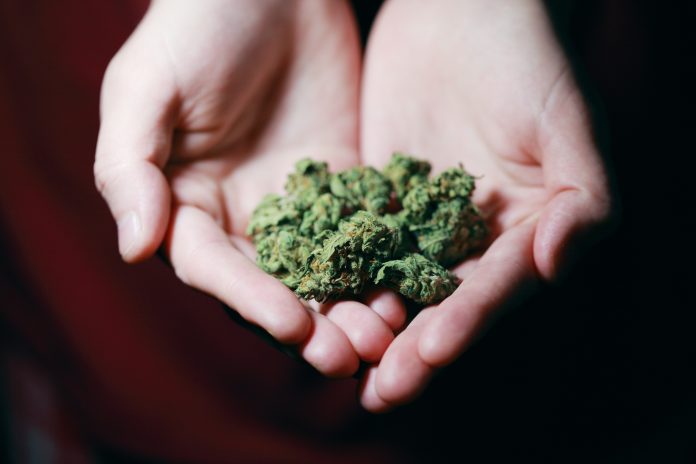
Marijuana is gaining a lot of interest among many due to its varied effects. While some people claim that it helps with symptoms of cancer, while others claim it does not affect them. But which of the following is true about cannabis? Is it a cure for all diseases or a gateway drug? Let’s find out in this article.
Which Of the Following Is True About Cannabis?
There are many unproven claims surrounding cannabis and its effects. There is also excess misinformation to deceive you. When you learn more facts about cannabis you can better understand what is true or not about the plant.
Here are some myths and misconceptions about cannabis:
Myth 1: Marijuana Is Not Addictive
Since cannabis is a popular legal intoxicant in many states, most people consider it as safe as alcohol, at the very least. Since it's legally prescribed to treat certain physical and mental health conditions most people believe it's safe.
This myth can be handled by knowing addiction. Drugs such as opioids can change the body’s functionality over time with repeated habitual usage. If an individual suddenly stops consuming opioids, that person will feel the negative physical and psychological consequences, also known as withdrawal symptoms. This is because the body is already accustomed to the drug and therefore an absence of it will make you sick.
In contrast to drugs like opioids, cannabis lacks any chemical that leads to chemical dependence in the brain. Therefore, we can say that cannabis is not physically addictive. However, since cannabis can influence a person’s decision-making, it is considered psychologically addictive.
Myth 2: Marijuana Is a Mental Cure-All
In some US states cannabis is fully legalized for recreational and medical use. This allows doctors to prescribe medical cannabis for the treatment of certain physical and mental conditions.
Cannabis prescriptions are becoming common in the US and Canada, and they may help with conditions such as post-traumatic stress disorder (PTSD), Crohn’s Disease, epilepsy and seizures, muscle spasms, nausea caused by chemotherapy, and more.
However, this does not mean cannabis is a cure for all diseases. Cannabis simply provides temporal relief, giving you time to visit a hospital for effective treatment. Also keep in mind that cannabis effects vary from one individual to another, which means what works for you may not work for others.
Myth 3: Cannabis enhances Creativity
The misconception that marijuana boost creativity is because popular artists and musicians claim to use it to write lyrics. An individual who believes that he can only become creative when they are under the influence of cannabis can become psychologically dependent on the drug. This concept is similar to alcohol consumers who believe that must drink before socializing.
Myth 5: You Cannot Overdose on Marijuana
There is no recorded death from overdosing on cannabis. Therefore, marijuana alone doesn’t result in fatal consequences. Nonetheless, consuming high doses of cannabis may lead to unpleasant side effects. A common side effect of excess cannabis consumption includes
- Severe anxiety
- Paranoia
- Uncontrollable shaking or even seizures
- Pale or flushed skin color
Bottom line
Next time when asked about which of the following are true about cannabis you will know the answer. From this article, you must have known what’s right and what’s wrong about cannabis.
Disclaimer
The information provided in this article is intended for informational purposes only and does not constitute medical, legal, pharmaceutical, or professional advice of any kind. Express Highs makes no representations or warranties regarding the accuracy, completeness, or suitability of the content for any particular purpose. Readers should not rely on this content as a substitute for advice from a qualified medical professional, legal counsel, or other relevant expert.
The products and substances discussed on this blog may be subject to varying legal restrictions depending on your country, region, or jurisdiction. It is the sole responsibility of the reader to be aware of and comply with all applicable local, national, and European Union laws and regulations before purchasing, possessing, or using any product referenced herein. Express Highs accepts no liability for any consequences arising from actions taken based on the content of this article.
This blog is intended for adults only. By reading this content, you confirm that you are of legal age in your jurisdiction.
Nothing in this article is intended to diagnose, treat, cure, or prevent any disease or medical condition. Any health-related claims discussed are not evaluated by the European Food Safety Authority (EFSA) or any other regulatory body unless explicitly stated.
Express Highs reserves the right to update or remove content at any time without notice. All content is published in good faith and for general informational purposes only.


