


When Thailand made cannabis legal in 2022, “CBD vs. THC” seemed like a straightforward slogan. In real life, CBD vs THC were unclear, the restrictions were weak, and CBD hemp stores popped up all over tourist areas. More than 10,000 outlets opened in three years, and experts predicted that the cannabis industry might be worth between $1 billion and $1.2 billion by 2025.
Now the government is trying to make buds illegal again and only let medical patients use them. This has turned CBD vs. THC into a political issue. Hemp vs. cannabis, hemp vs. CBD, and the difference between hemp and CBD for pain are no longer just topics of discussion on forums; they are now deciding who gets to keep their business license.
From Green Rush to Red Lines: CBD vs THC at the Heart of the Crackdown
According to the officials, the previous CBD vs THC model was excessively loose. Flower stores offered recreational products as opposed to medicine and minors were allowed to purchase products of the adult range. The new regulations categorize high-THC buds as regulated herbs, require medical certificates for most purchases, and intimidate those shops that do not comply.
The line separating hemp and cannabis is being restructured in such a way that only low-THC hemp and CBD products will be available off-clinic. The legal situation of the pain between hemp and CBD is a matter of concern to the patients: hemp CBD oils might be sold, whereas casual joints will not.
Hemp Vs Cannabis, Hemp Vs CBD and the Future of CBD Hemp
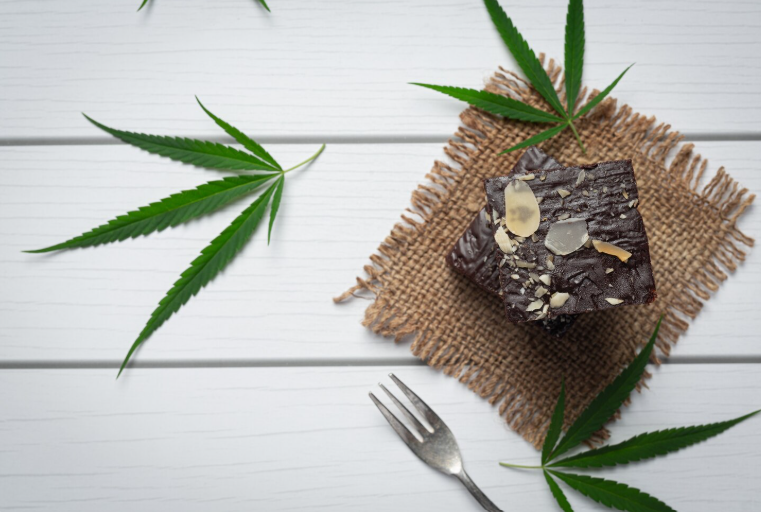
The Hemp Vs Cannabis divide now shapes which CBD Hemp items remain on shelves. Since hemp and cannabis have split, now it is up to the hemp-cannabis split to decide what CBD hemp products remain on shelves. It is necessary to create clear information about CBD and THC and hemp and CBD in order to be aware of what is legal and what is not. The comprehensive information, like What is CBG9 tells that there is a lot more to cannabinoids than the basic CBD vs. THC story.
Such guides as Your Guide to THC-JD: What Is It, What Are Its Effects, Composition and Uses reveal that new compounds will keep pushing borders between hemp and cannabis and the realistic differences between hemp and CBD as a painkiller.
Conclusion
When CBD vs. THC reform moves too quickly, Thailand’s U-turn indicates what might happen. A market worth around $1.3 billion in 2024, with expected yearly growth of more than 30%, is suddenly facing severe medical-only laws and a lot of uncertainty for thousands of CBD Hemp business owners.
People who vote are worried about addiction and young people using drugs. Businesses are worried about paying rent and hiring people. Everyone is arguing about Hemp vs. Cannabis, Hemp vs. CBD, and the Difference Between Hemp and CBD for Pain. To keep up with shifting rules, new cannabinoids and Types of CBD Hemp, stay tuned to blog.expresshighs.com.
Disclaimer
The information provided in this article is intended for informational purposes only and does not constitute medical, legal, pharmaceutical, or professional advice of any kind. Express Highs makes no representations or warranties regarding the accuracy, completeness, or suitability of the content for any particular purpose. Readers should not rely on this content as a substitute for advice from a qualified medical professional, legal counsel, or other relevant expert.
The products and substances discussed on this blog may be subject to varying legal restrictions depending on your country, region, or jurisdiction. It is the sole responsibility of the reader to be aware of and comply with all applicable local, national, and European Union laws and regulations before purchasing, possessing, or using any product referenced herein. Express Highs accepts no liability for any consequences arising from actions taken based on the content of this article.
This blog is intended for adults only. By reading this content, you confirm that you are of legal age in your jurisdiction.
Nothing in this article is intended to diagnose, treat, cure, or prevent any disease or medical condition. Any health-related claims discussed are not evaluated by the European Food Safety Authority (EFSA) or any other regulatory body unless explicitly stated.
Express Highs reserves the right to update or remove content at any time without notice. All content is published in good faith and for general informational purposes only.


