

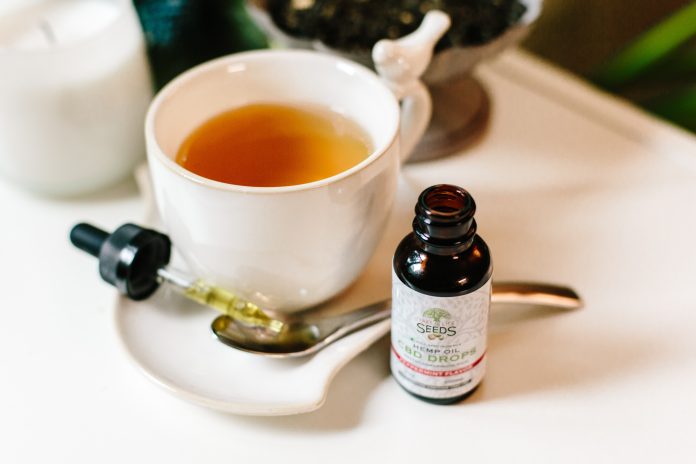
Cannabidiol, or CBD, is a natural compound in the Cannabis sativa plant. It has become increasingly popular over recent years and is gaining recognition for its potential to help improve mental and physical well-being. In recent years, CBD products have become popular because of their potential to relieve stress, reduce anxiety and depression, improve sleep quality, reduce inflammation, and even treat specific disease states.
Scientists have been researching the medicinal effects of CBD for decades and are now beginning to understand the molecular mechanisms that make it so beneficial. It is believed that CBD works by modulating the endocannabinoid system (ECS), which is responsible for regulating numerous physiological functions in the body, such as appetite, mood, sleep, and pain.
CBD has also interacted with various neurotransmitters, such as serotonin and glutamate. By modulating these pathways, CBD may reduce anxiety levels, improve mood states, reduce inflammation, and even provide some anti-cancer properties. In addition to its potential medical benefits, CBD is also being studied for its use in treating various skin conditions such as acne, eczema, and psoriasis. Studies have found that topically applied CBD can reduce the inflammation associated with these conditions and even help heal damaged skin.
Separating CBD from Other Cannabis Compounds
It is important to note that CBD is just one of the many compounds found in cannabis. THC is the most well-known compound responsible for the psychoactive effects associated with marijuana use. While CBD and THC are derived from the same plant, they have very different effects on the body. CBD products must contain less than 0.3% THC to be legal, which is not enough to produce a high.
Separating CBD from the other cannabis compounds is critical to obtaining the medicinal effects of CBD. Consumers must know how products are sourced and processed to ensure they get a quality product with potent levels of CBD. CBD’s extraction and purification process must be carefully controlled to preserve its beneficial properties.
With more research being conducted every day, scientists are beginning to uncover the true potential of CBD and its many health benefits. This compound will continue to be studied to fully understand how it can be used in medicine and wellness. As more information becomes available, consumers can be confident that they are getting a quality product with real therapeutic potential when shopping for CBD products.
Conversion of CBD to Products
When shopping for CBD products, it is essential to understand the different forms that they are available in. The two most common forms are full-spectrum and isolate. Full-spectrum CBD products contain all of the compounds found in the Cannabis sativa plant, including THC, while isolates contain only CBD. It is important to note that the effects of each form may differ. For example, full-spectrum products may provide more holistic benefits due to the “entourage effect” of all the compounds working together.
When selecting a CBD product, it is essential to research and ensures you are getting a quality product and the right type. Look for products that third-party laboratories have tested to ensure potency and purity.
Final Thoughts on The Science of CBD
As research continues to expand concerning the science of CBD, more evidence is emerging pointing to its potential health benefits. However, it’s important to note that more research needs to be done before any definitive conclusions can be made. It’s also important to talk to your doctor before starting a regimen of CBD, as it may interact with other drugs and could cause adverse reactions. Regardless, the science of CBD is continually expanding, and more information is being gathered about its potential therapeutic benefits. It’s an exciting time to be a part of the ever-growing CBD industry.
Disclaimer
The information provided in this article is intended for informational purposes only and does not constitute medical, legal, pharmaceutical, or professional advice of any kind. Express Highs makes no representations or warranties regarding the accuracy, completeness, or suitability of the content for any particular purpose. Readers should not rely on this content as a substitute for advice from a qualified medical professional, legal counsel, or other relevant expert.
The products and substances discussed on this blog may be subject to varying legal restrictions depending on your country, region, or jurisdiction. It is the sole responsibility of the reader to be aware of and comply with all applicable local, national, and European Union laws and regulations before purchasing, possessing, or using any product referenced herein. Express Highs accepts no liability for any consequences arising from actions taken based on the content of this article.
This blog is intended for adults only. By reading this content, you confirm that you are of legal age in your jurisdiction.
Nothing in this article is intended to diagnose, treat, cure, or prevent any disease or medical condition. Any health-related claims discussed are not evaluated by the European Food Safety Authority (EFSA) or any other regulatory body unless explicitly stated.
Express Highs reserves the right to update or remove content at any time without notice. All content is published in good faith and for general informational purposes only.


