

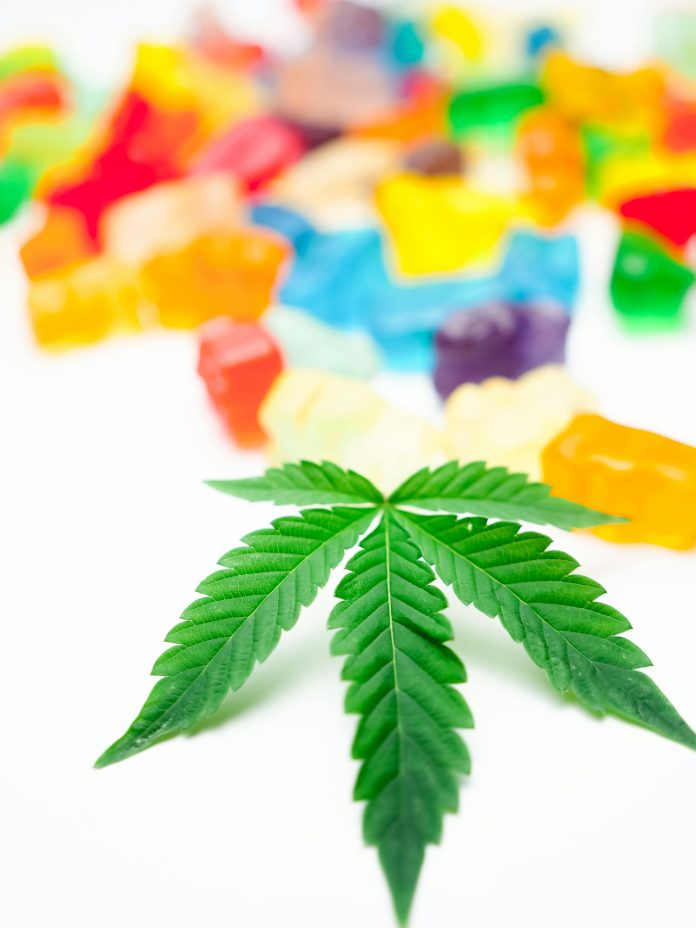
HHC is a cannabinoid compound that is getting a lot of attention in the market these days. This derivative of THC garnered its hype because it can be synthesized in a lab.
Due to its semisynthetic properties, HHC is available in a variety of products. However, the lack of extensive research raises several questions regarding the use of HHC.
Below in this article, we will be covering the chemical composition, pharmacological effects, potential medical applications, and associated risks with the HHC available within the broader context of cannabinoid research. Let’s dive in.
Understanding HHC: Definition, Effects & More
Hydroxyhexahydrocannabinol, or HHC, is a derivative of THC. To synthesize HHC, the process of hydrogenation is carried out in a lab.
In this process, a low-THC CBD is provided with additional Hydrogen atoms. This process turns the low-THC CBD into HHC as we know it. Thus, even though there are structural similarities between THC and HHC, the additional Hydrogen atoms make it a unique compound. Now, let’s look into the chemical composition of HHC.
What is HHC Made Of? Aka, Its Chemical Composition?
The chemical system of HHC is quite complex. It mainly consists of chains of carbon, hydrogen, and oxygen atoms. Additionally, the hydroxyl group of HHC is what makes it unique. Due to the difference in the molecular structure, the solubility, stability, and potency of HHC also stand out among other cannabinoids. Hence, HHC is also known to offer distinct neurological effects when consumed.
How Does HHC Affect The Human Body?
Even though there is not much research available on the pharmacological effects of HHC, its effects are deemed to be very similar to THC:
Endocannabinoid System Interaction: The structure of HHC is bio-engineered in such a way that it can interact with cannabinoid receptors in our body—-CB1 and CB2. When HHC interacts with the cannabinoid receptors of the body, it modulates neurotransmitter release. This, in turn, affects various physiological processes inside our body.
Euphoria and Relaxation: HHC may also induce feelings of euphoria or relaxation in a person. Moreover, it promotes a sense of well-being by reducing stress and anxiety in the recipient. Therefore, apart from medical usage, it is also consumed for recreational purposes.
Altered Perception: Due to changes in sensory perception HHC is known for, the ability of the recipient to perceive colors, sounds, and tastes might be affected. These alterations in the perception of one’s surroundings contribute to the subjective experience of HHC consumption.
Appetite Stimulation: HHC is also associated with appetite stimulation in a person. Even though there is no concrete proof regarding it, many individuals report having strong cravings for “munchies” or food in general.
Pain Relief: HHC may exhibit analgesic properties in the recipients. Due to this healing property, a recipient can experience a sense of relief once the HHC enters the body. Even though thorough research is pending in this area, since HHC has properties similar to THC, it can help alleviate different types of pain like neuropathic pain, arthritis, and migraines.
Does HHC Have Any Potential Therapeutic Effects?
Pain Management: One of the biggest potential medical applications of HHC is that it can manage chronic pain conditions. For example, some research has shown that HHC has helped tremendously in managing pain caused by the cancer treatment.
Anxiety and Depression: HHC might also help people who are suffering from anxiety and depression in some cases. The occurrence can be attributed to HHC having anxiolytic and antidepressant effects. Additionally, for these effects, HHC is also known to offer relief for individuals suffering from mood disorders.
Neuroprotective Effects: HHC may also exhibit neuroprotective properties. These properties might help patients with diseases like Alzheimer’s and Parkinson’s. Additionally, it can help reduce neuronal damage and inflammation, which can promote the overall brain health of the recipient. However, one has to keep in mind that extensive research still needs to be done on the neuroprotective effects of HHC.
Are There Any Associated Risks With HHC?
While HHC may offer a range of potential therapeutic benefits, it might also pose certain risks.
Psychological Effects: The psychoactive nature of HHC might lead to adverse psychological reactions. These reactions include conditions like anxiety, paranoia, or psychosis in some individuals.
Dependency and Addictions: Like THC, HHC might also lead the recipient to a dark space where dependency and addiction arise in them over a period of time.
Health Risks: If the recipient intakes HCC via smoking or vaping, it opens up the individual to the risk of respiratory illnesses. Additionally, long time exposure can result in unalterable effects on cognitive function and mental health.
In Conclusion
To sum it up, HCC is a cannabinoid compound that needs to be studied by researchers so that the public at large can have strong opinions on it. However, as of now, not much data is available regarding the potential effects and risks of HCC. As the field of cannabinoid research evolves, HHC may become an important element in the therapeutic arsenal of the cannabinoid family. Until then, the best we can do is handle it with caution and responsibility.
Disclaimer
The information provided in this article is intended for informational purposes only and does not constitute medical, legal, pharmaceutical, or professional advice of any kind. Express Highs makes no representations or warranties regarding the accuracy, completeness, or suitability of the content for any particular purpose. Readers should not rely on this content as a substitute for advice from a qualified medical professional, legal counsel, or other relevant expert.
The products and substances discussed on this blog may be subject to varying legal restrictions depending on your country, region, or jurisdiction. It is the sole responsibility of the reader to be aware of and comply with all applicable local, national, and European Union laws and regulations before purchasing, possessing, or using any product referenced herein. Express Highs accepts no liability for any consequences arising from actions taken based on the content of this article.
This blog is intended for adults only. By reading this content, you confirm that you are of legal age in your jurisdiction.
Nothing in this article is intended to diagnose, treat, cure, or prevent any disease or medical condition. Any health-related claims discussed are not evaluated by the European Food Safety Authority (EFSA) or any other regulatory body unless explicitly stated.
Express Highs reserves the right to update or remove content at any time without notice. All content is published in good faith and for general informational purposes only.


